At a Glance: Improving Safeguarding Thresholds with Co-Production
The North West Improvement Programme (NWIP) partnered with Participation People to redesign how safeguarding thresholds are understood and communicated across Cheshire and Merseyside.
Safeguarding partners recognised that existing threshold documents were often complex, inconsistent and difficult for families to navigate. Parents and carers frequently reported feeling excluded from safeguarding conversations and unsure how decisions about support and intervention were made.
Through an ambitious intergenerational co-production programme, Participation People worked with young people, parents and carers, safeguarding leaders and frontline professionals to design a practical, accessible tool to support clearer safeguarding conversations.
The result was the Safeguarding “Battery” Tool — a strengths-based framework that helps families and professionals recognise concerns earlier, and discuss wellbeing using shared language.
About the North West Improvement Programme
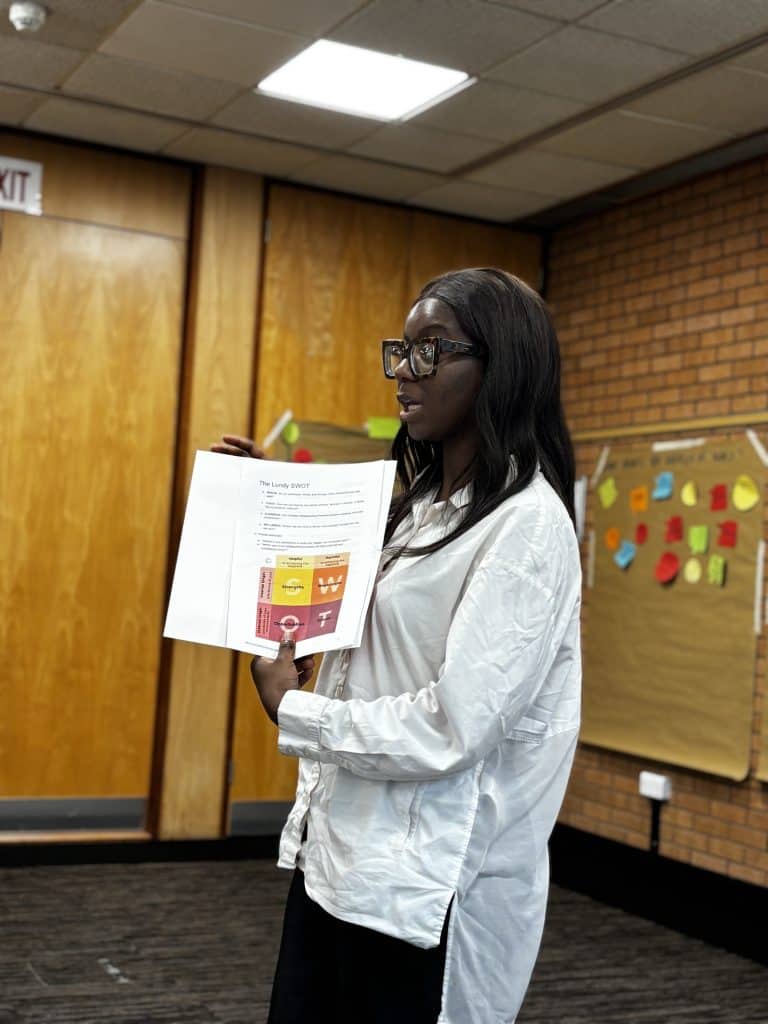
The North West Improvement Programme (NWIP) is a Regional Improvement and Innovation Programme supporting safeguarding partnerships across Cheshire and Merseyside.
Sponsored by the Department for Education, the programme brings together safeguarding leaders and partners to develop innovative approaches that improve safeguarding practice and outcomes for children and young people.
Recognising widespread challenges in communicating safeguarding thresholds clearly to families, NWIP commissioned Participation People to lead a regional co-production process.
The Challenge: Making Safeguarding Thresholds Accessible
Across safeguarding systems, professionals rely on threshold frameworks to guide decisions about when support or intervention is needed.
However, these frameworks are often:
Highly technical and difficult for families to understand
Inconsistent across different local authority areas
Focused on professional processes rather than family experience
Parents and carers frequently reported feeling confused or excluded from safeguarding discussions. While professionals acknowledged that the language and format of threshold documents could create barriers to shared understanding.
Safeguarding leaders wanted a new approach — one that could bridge the gap between thresholds and lived experience.
As one safeguarding partner reflected:
“Having young people and parents involved changed the conversation. It helped professionals see how safeguarding processes actually feel from a family perspective.”
The Aim: Co-Producing a Safeguarding Threshold Tool
The programme aimed to:
Improve understanding of safeguarding thresholds for families, communities and professionals
Create a shared language for discussing concerns affecting children and young people
Strengthen family participation in safeguarding conversations
Support earlier recognition of risks and protective factors
Develop a practical tool that could be used consistently across safeguarding partnerships
The Strategy: Intergenerational Co-Production
Participation People designed and facilitated a regional co-production programme, bringing together:
Young people
Parents and carers
Safeguarding leaders
Frontline professionals
Community stakeholders
The programme combined research, insight gathering and participatory design methods, including:
Regional pulse polls gathering insight from professionals, parents and young people
Analysis of existing safeguarding threshold documents across Cheshire and Merseyside
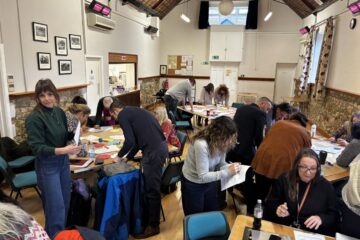
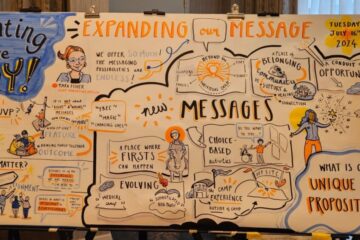
A series of co-production hackathons bringing families and professionals together
Participatory design workshops to test language, concepts and tools
Iterative “test and learn” feedback cycles with safeguarding partnerships
Crucially, families and young people were not simply consulted.
They worked alongside professionals as partners, shaping the language, structure and design of the final resources — ultimately improving safeguarding thresholds
The Innovation: The Safeguarding “Battery” Tool
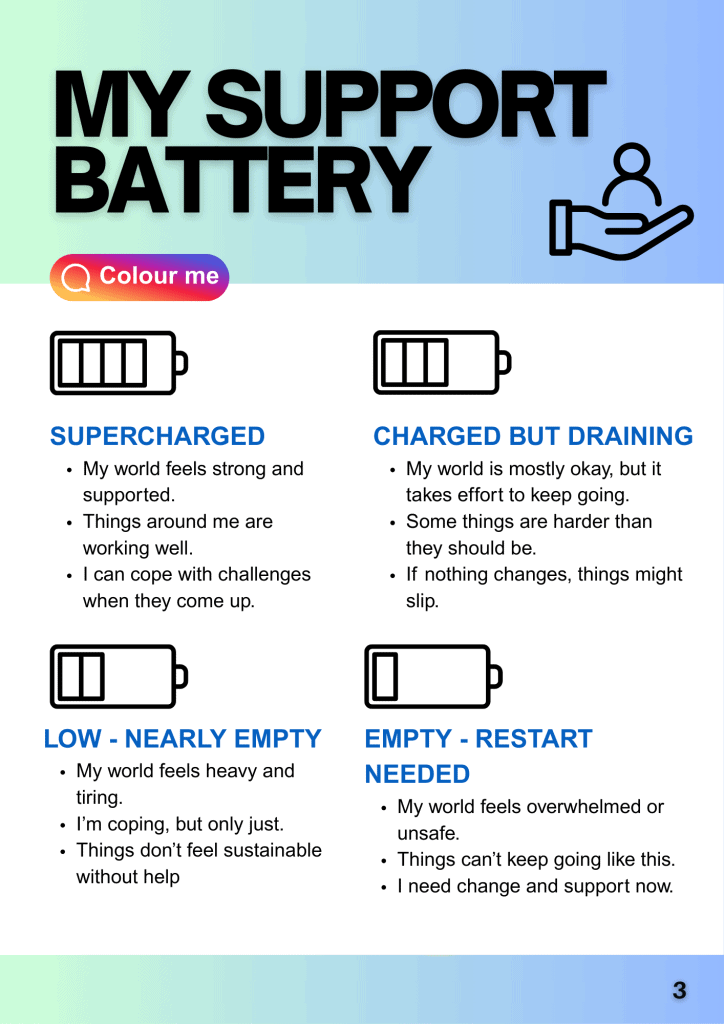
Through the hackathon process, participants co-designed a new way of thinking about safeguarding thresholds using a “battery” model.
The battery concept helps professionals, parents and young people understand wellbeing and risk as something that can change and fluctuate over time.
Instead of focusing only on crisis points, the model supports earlier conversations about the factors affecting a young person’s wellbeing.
The tool encourages professionals and families to explore areas such as:
Emotional wellbeing
Relationships and family environment
Safety and risk factors
Community influences
Protective relationships and support networks
By visualising wellbeing in this way, the tool helps shift safeguarding conversations from crisis response to earlier, strengths-based support.
As one parent participant explained:
“The battery tool helps make something complex much easier to understand. It gives professionals and families a shared language for talking about concerns.”
Training and Learning Resources
Alongside the tool itself, Participation People is developing a suite of training and learning resources to support implementation across safeguarding partnerships.
These include:
Facilitated webinars for safeguarding partners
Digital training tools for professionals and community stakeholders
Interactive activities to support safeguarding conversations
Participation People is also working with young people, parents and carers to create a micro-learning digital training programme that will accompany the tool.
These short digital modules will support:
Safeguarding professionals
Designated safeguarding leads (DSLs)
Local safeguarding partnerships
Parents, carers and trusted adults
The programme will embed youth voice and lived-experience insights while offering practical guidance for identifying safeguarding concerns earlier. Ultimately, further improving safeguarding thresholds.
Outcomes and Early Impact
The programme has already strengthened safeguarding conversations across the North West.
Key outcomes include:
Increased confidence among professionals when discussing safeguarding thresholds with families
Stronger participation of parents and carers in safeguarding conversations
Improved understanding of early warning signs affecting children and young people
Practical tools that can be used consistently across safeguarding systems
The co-production process also strengthened relationships between safeguarding leaders, professionals and communities — demonstrating the value of intergenerational collaboration in safeguarding practice.
“Being involved made me feel like our experiences actually mattered. The tool feels more real because young people and parents helped shape it.”
– Young participant feedback
Why This Work Matters
Safeguarding systems work best when families feel informed, supported and involved.
By bringing together young people, parents, carers and professionals to redesign how safeguarding thresholds are understood, this programme has created tools that are:
More transparent
More accessible
Better aligned with lived experience
More effective in supporting early intervention
This work demonstrates how complex safeguarding thresholds can be transformed through meaningful co-production with communities.
At Participation People, we partner with safeguarding leaders and organisations to translate complex policy and systems into practical tools, co-design with communities, strengthen relationships, and improve outcomes for children and young people. Get in touch to see how we can do the same for you.