At a Glance: Building Regional Infrastructure for Safeguarding Participation
The Safeguarding Voices Leadership Network was created to address a challenge shared across safeguarding partnerships in the North West: participation work was valued, but often fragmented, inconsistent and overly dependent on individual “voice champions”.
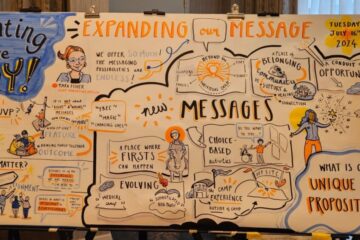
In partnership with Participation People, the Network brought together safeguarding participation leads, voice specialists and system leaders from across the region. The goal was to create something previously missing — a dedicated space for shared learning, honest reflection and collective problem-solving.
Over its first six months, the Network supported partnerships to move:
- From isolated practice to shared regional infrastructure
- From activity-led participation to influence-led systems change
- From uncertainty to greater confidence and clarity
- From collecting lived experience to embedding it into decision-making
This was not a delivery project.
It was a capacity-building intervention, designed to strengthen long-term safeguarding participation across the region.
About the Safeguarding Voices Leadership Network
The Safeguarding Voices Leadership Network was established to support safeguarding partnerships across the North West in embedding stronger, more consistent approaches to participation and co-production.
The Network created a regional peer space for professionals responsible for lived experience, participation and voice work — roles that are often isolated despite carrying significant responsibility.
Participation People designed and facilitated the programme using Lundy’s Model of Participation as the core framework, supporting partnerships to strengthen how lived experience is heard, understood and acted upon across safeguarding systems.
The Challenge: Participation Without Shared Infrastructure
Before the Network launched, safeguarding partnerships described remarkably similar challenges:
- Participation approaches varied significantly between areas
- Voice work was often dependent on one individual championing it
- Many partnerships struggled to evidence impact in ways leaders recognised as credible
- Lived experience was sometimes gathered, but not clearly connected to decision-making
- Participation professionals lacked dedicated peer support and shared learning spaces
As one delegate reflected:
“We’re all trying to do this well, but everyone’s doing it slightly differently.”
Another added:
“We just need to be really honest about where we’re starting from — otherwise we’re pretending.”
The issue was not a lack of care or commitment. It was the absence of shared infrastructure to support safeguarding participation consistently across systems.

The Aim: Embedding Participation as a System Behaviour
The Network aimed to:
- Strengthen safeguarding participation infrastructure across the region
- Build confidence and capability among safeguarding voice leads
- Improve routes for lived experience to reach decision-makers
- Support partnerships to move from engagement activity to meaningful co-production
- Reduce duplication through shared tools, learning and peer support
- Embed participation as part of how safeguarding systems function, not as a standalone activity
The Strategy: A Regional Learning and Problem-Solving Space
Participation People designed the Network as an interactive regional learning space rooted in honesty, collaboration and practical action.
Across four Leadership Network sessions between September and December 2025, the programme brought together:
- 72 active members from safeguarding partnerships across the North West
- Participation and lived experience leads
- Quality assurance and improvement professionals
- Multi-agency safeguarding representatives
- Young people with lived experience of safeguarding services
Each session combined:
- Live peer problem-solving around real safeguarding challenges
- Practical participation tools that could be applied immediately
- Confidence tracking using a Net Promoter-style “thermometer” scale
- Story harvesting to capture behavioural and cultural shifts over time
- Co-facilitation with young people with lived experience
The Network intentionally prioritised honesty over performance.
As one participant explained:
“Just being in a room with people who actually understand this role has been massive. I didn’t realise how isolated I felt until I wasn’t anymore.”
What Changed Across the Network
Creating Space: From Isolation to Shared Infrastructure
One of the most significant shifts was the creation of a trusted regional space where safeguarding participation professionals could speak openly about what was, and wasn’t, working.
Participants reported:
- Increased psychological safety to challenge assumptions
- Greater confidence to test new approaches locally
- Reduced duplication through shared learning and tools
- Stronger collective understanding of what meaningful participation looks like
Strengthening Voice: Improving Quality, Not Just Volume
The Network focused not on doing more engagement, but on improving the quality and purpose of participation.
Key shifts included:
- Clearer distinction between engagement, consultation and co-production
- Greater focus on ethics, incentives and feedback loops
- Increased confidence in exploring underdeveloped areas such as baby and early years voice
- Stronger understanding of how to close feedback loops visibly and meaningfully
Participants began asking different questions:
“It’s made me stop asking ‘how do we consult on this?’ and start asking ‘who should be designing this with us?’”
Reaching the Audience: Voice With a Route to Power
A consistent theme across the programme was Audience — ensuring lived experience reaches the people able to influence change.
Through live problem-solving and peer reflection, participants explored:
- Who holds influence within safeguarding systems
- How lived experience connects to governance, quality assurance and improvement
- How to bring children, young people and families into strategic conversations safely and ethically
As one delegate reflected:
“When we brought young people into that strategic conversation, it completely changed the dynamic. People were more open — it felt like truth-telling rather than performance.”
The shift was significant: From participation as reporting to participation as decision-making intelligence.
Early Influence: System Changes Beginning to Land
Within six months, partnerships were already beginning to embed changes influenced by Network learning.
Emerging examples included:
- Participation strategies being signed off using shared regional learning
- New safe spaces and hubs for care-experienced young people
- Increased momentum around baby and early years voice
- Greater integration of lived experience into governance and improvement conversations
As one participant explained:
“It’s not that we suddenly know everything — it’s that we now know what ‘good’ looks like and how to get there.”
Measuring Impact: Confidence, Honesty and Behaviour Change
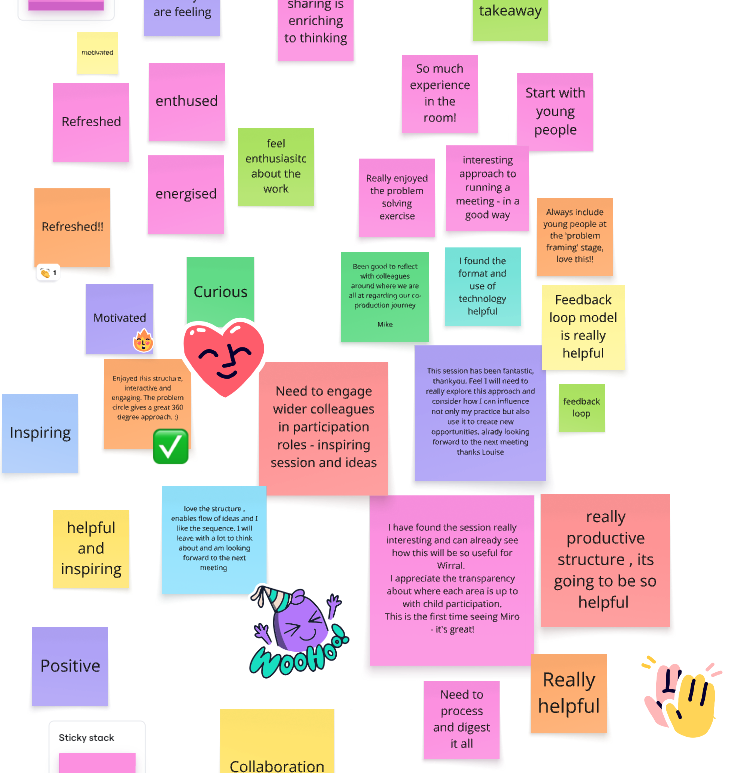
The Network introduced a simple confidence-tracking measure to monitor perceived movement over time.
While not designed as a formal outcomes tool, it provided a credible directional indicator of system confidence and readiness around safeguarding participation.
Emerging patterns included:
- Upward or stabilising confidence trajectories among engaged partnerships
- Confidence dips reflecting greater honesty and realism, not disengagement
- Stronger confidence where tools and peer support were actively embedded into practice
As one delegate reflected:
“I’m more confident now to say what we can realistically change, and to explain why.”
Why This Matters for Safeguarding Systems
The Safeguarding Voices Leadership Network demonstrates that meaningful safeguarding participation requires more than guidance documents or one-off engagement activities.
It requires:
- Shared infrastructure
- Peer learning and accountability
- Clear routes from lived experience to influence
- Practical tools that support consistency across systems
- Space for professionals to be honest about where they are starting from
This matters because participation is not simply about listening better. It strengthens safeguarding systems themselves — improving trust, transparency, accountability and decision-making.
The Network is helping partnerships shift from:
“Participation as something we do” to “Participation as how the system works.”
Final Reflection: From Individual Effort to Regional Infrastructure
The first six months of the Network have shown what becomes possible when safeguarding participation professionals are given dedicated space, shared tools and collective support.
What began as a regional learning network is becoming something bigger: a growing infrastructure for ethical, influence-led participation across safeguarding systems. The next phases of the work will deepen this impact further — supporting partnerships to embed Experts by Experience into decision-making, scale Lundy-aligned tools, and strengthen how lived experience shapes safeguarding systems across the North West.
At Participation People, this is how we work: helping organisations move from isolated participation activity to meaningful, sustainable systems change. Get in touch to explore more.