The Brief
Southwark Council has partnered with Participation People to give young people the tools and knowledge to make healthier choices around alcohol, drugs, and smoking. Over several years, the collaboration has focused on improving young people’s health, reducing crime, and creating a safer, more supportive environment in the borough. This project in the collaboration began by recruiting young leaders. They were trained on substance misuse before designing and delivering peer-led campaigns to raise awareness and inspire healthier choices among their friends and classmates.
How Peer-Led Works
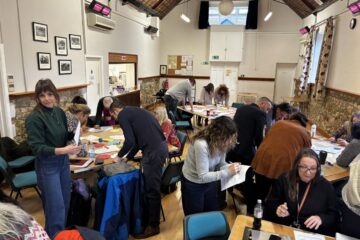
The training kicked off with activities to personalise the topic. Young people were asked if they knew someone who smoked or had seen drug use, sparking meaningful reflection and discussion. We also facilitated interactive exercises, including labelling body parts to show the effects of alcohol and playing “Wolves in Sheep’s Clothing”. This is a game exposing how drugs can appear harmless while hiding dangers. Our approach was hands-on, fun, and educational.
Next came confidence-building activities to prepare participants for running their campaigns. Then, each young person chose a substance misuse topic and teamed up to produce their messaging. These campaigns were then delivered in school assemblies, tutor groups, and informal conversations with peers. On completing the project, participants received an AQA accreditation, recognising their new skills and achievements.
The Results
Targets We Set
- Train 60 young people on substance misuse
- Reach 400 young people through peer education
What We Achieved
- Partnered with 6+ organisations
- Trained 80 young people (33% increase on target)
- Educated 637 young people through peer-led campaigns (59% increase on target)
Key Peer-Led Takeaways
The success of this project highlights the power of peer-led learning. Young people are more engaged when they take ownership of campaigns, and providing interactive, hands-on training helps them understand the real-life impact of substance misuse. Regularly revisiting the project’s aims and showing how each activity connects to the overall goals, keeps participants motivated and focused. Flexibility is also key: over-recruiting slightly ensures the project can adapt to changes in engagement, while encouraging teamwork builds confidence and unified peer-education.
The Impact
This project has made a real difference across Southwark, reaching and influencing hundreds of young people. When we empower the youth to take the lead, we craft more authentic and relatable campaigns, making the messages about substance misuse engaging and memorable. Participants not only gained confidence, knowledge, and leadership skills, but also inspired their generation to make healthier choices. The peer-led approach ensured the messaging resonated with the audience, strengthened community connections, and created a ripple effect, with young people influencing friends, siblings, and classmates in meaningful ways. This project, and peer-education, demonstrates how giving young people ownership and a voice can drive genuine change in both attitudes and behaviours.
I loved the project because I learnt many new techniques for different things, met new people and hopefully what we’ve done will help make a difference! – Southwark Youth Peer-Educator